The Unseen Heroes: A Closer Look at Surgical Clamps
Wiki Article
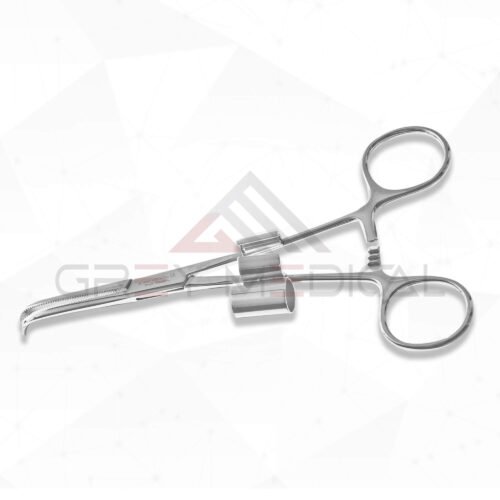
In the precise and demanding environment of the operating room, every instrument plays a critical role. Among the most fundamental yet vital tools are surgical clamps. These devices are essential for controlling bleeding, holding tissue, and ensuring a clear surgical field, making them indispensable to surgeons across all specialties. Their function is foundational to the success of countless medical procedures, from simple closures to complex organ transplants.
Understanding the Function of Medical Clamps
At their core, clamps medical professionals use are designed to occlude, or block, the flow of bodily fluids, primarily blood. This is achieved by securely grasping and compressing blood vessels. The ability to achieve hemostasis, or the cessation of bleeding, is paramount. Without effective clamping, surgeons would face significant visibility challenges, and patients would be at a higher risk of complications. The design of these instruments allows for a firm grip without causing unnecessary trauma to the surrounding tissues.
Beyond hemostasis, various types of clamps serve specialized purposes. Some are used to hold or manipulate tissues, providing better access and exposure to the surgical site. Others are designed to grasp and secure surgical drapes, tubing, or other materials, keeping the operative area organized and sterile. The diversity in clamp design reflects the wide array of tasks they must perform, showcasing their versatility and importance. These essential clamps medical instruments are a testament to ingenuity in surgical tool development.
Innovation in Surgical Instrument Design
The evolution of surgical instruments is a continuous process driven by the need for greater precision, safety, and efficiency. Companies like GreyMedical®, a privately owned medical technology company, are at the forefront of this movement. They are dedicated to innovation and excellence in the craft of surgical instruments, ensuring that every tool meets the highest standards of quality and performance. The materials used, such as surgical-grade stainless steel, are chosen for their durability, resistance to corrosion, and ability to be sterilized effectively.
This commitment to quality is crucial for instruments like clamps medical teams rely on daily. The engineering behind the locking mechanisms, jaw serrations, and handle ergonomics is meticulously planned to provide surgeons with optimal control and reliability. As surgical techniques become more advanced, the demand for equally advanced instruments grows, pushing innovators to refine and perfect these essential tools.
The Impact on Surgical Outcomes
The quality and proper use of crawford clamp instruments directly influence patient outcomes. A well-designed clamp allows a surgeon to work with confidence, knowing the tool will perform as expected. This reliability minimizes the risk of slippage, which could lead to internal bleeding or damage to delicate structures. For surgeons, having dependable instruments is not just a matter of convenience; it is a matter of patient safety. Therefore, the role of high-quality clamps medical equipment cannot be overstated in modern surgery.
Conclusion
Surgical clamps are far more than simple tools; they are crucial extensions of a surgeon's hands. Their ability to control bleeding and manage tissue is fundamental to the safety and success of nearly every operation. The ongoing innovation by dedicated companies ensures that these instruments continue to evolve, meeting the rigorous demands of modern medicine and helping to improve patient care around the globe.
Report this wiki page